Table of Contents
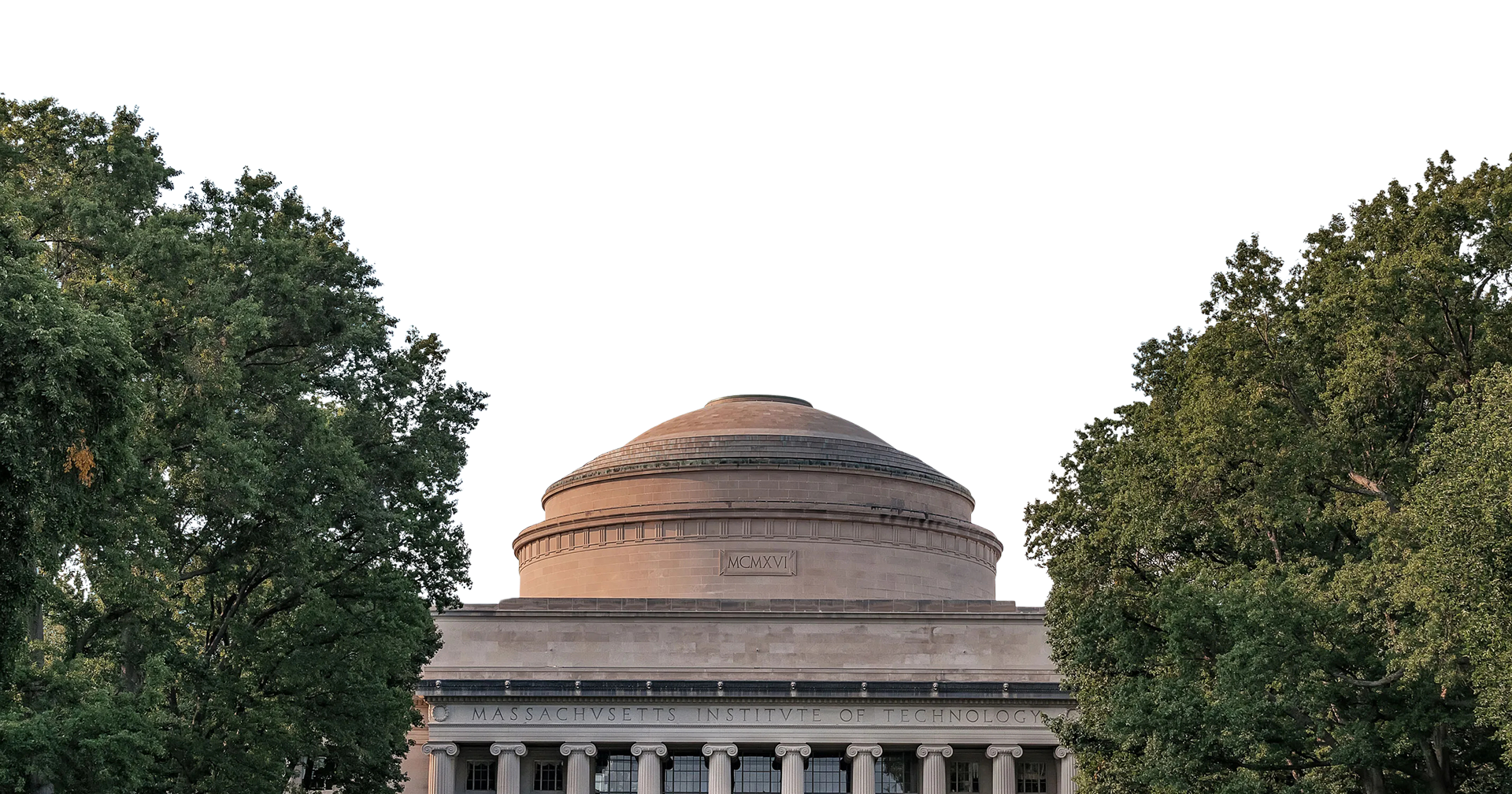
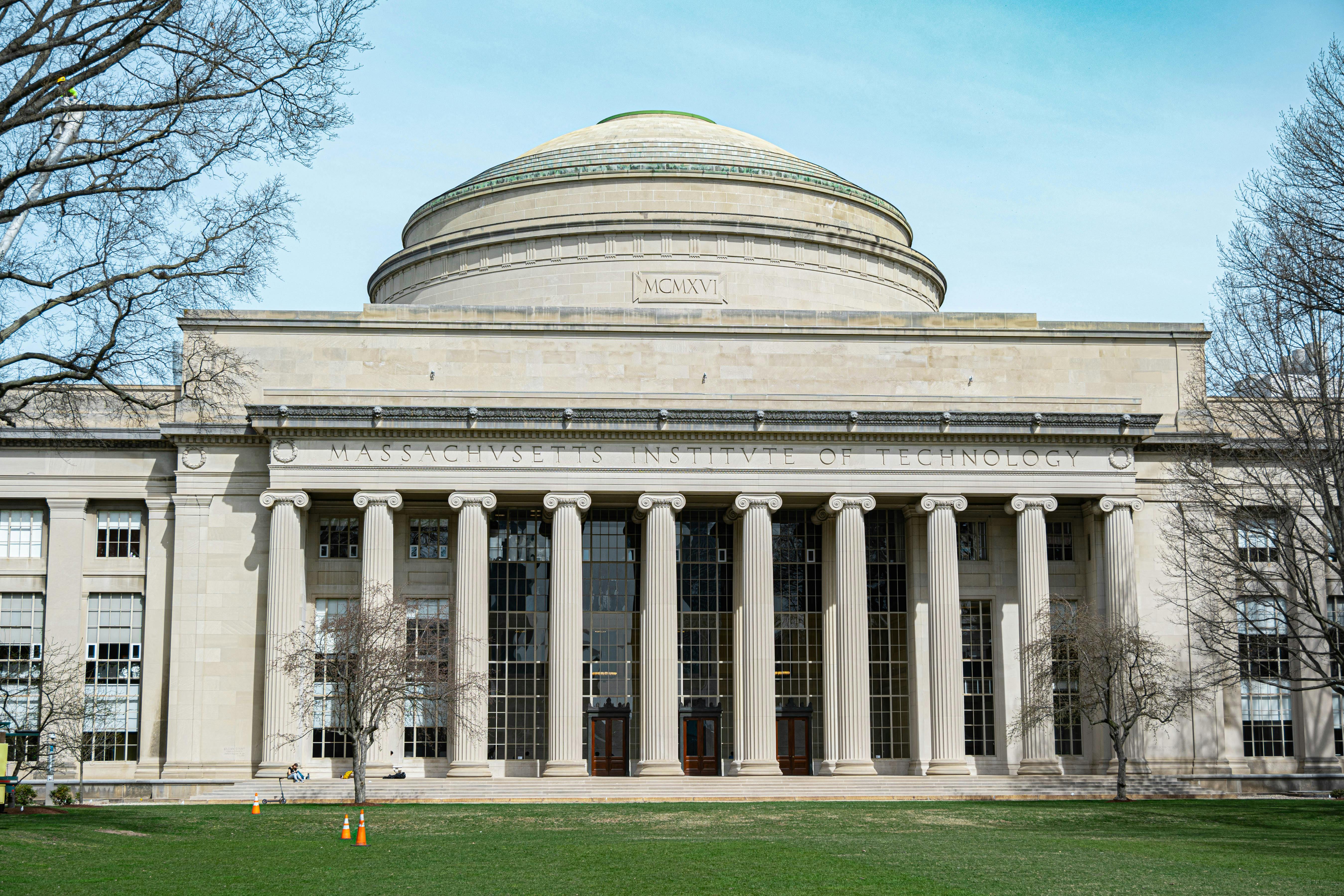
The Massachusetts Institute of Technology (MIT) remains one of the most competitive universities globally, known for its rigorous STEM focus and unparalleled research opportunities. In recent years, MIT has sustained an acceptance rate below 5%, solidifying its hyper-selective status post-pandemic.
Class of 2030 Admissions Statistics (Latest)
For the Class of 2030, MIT offered admission to 1,299 students out of a total applicant pool of 28,349, resulting in a highly competitive overall acceptance rate of 4.6%. This represents a slight increase from the previous cycle's 4.5% acceptance rate, though the absolute number of total applications remained staggering.
During the Early Action round, MIT received 11,883 applications and admitted 655 students, yielding an early acceptance rate of approximately 5.5%. In the Regular Action round, the Institute admitted an additional 644 students from the remaining 16,466 applicants, which translates to a Regular Action acceptance rate of roughly 3.9%. The Admissions Office has not yet released official waitlist data for the Class of 2030.
Insight: MIT’s non-restrictive Early Action provides a slight statistical advantage in acceptance rates (5.5% vs. 3.9% in Regular Action). However, this variance is largely reflective of the highly self-selective nature of the early applicant pool, and the overall admissions landscape remains fiercely competitive across all rounds.
Historical Acceptance Rate Trends
Analyzing MIT's admissions data over the past decade reveals a stark shift in selectivity. Pre-pandemic, MIT's acceptance rate generally hovered around 6% to 7%. However, recent cycles have firmly established a sub-5% "new normal" for the Institute.
For the Class of 2029, MIT admitted 1,324 students out of 29,282 applicants (4.5%). For the Class of 2028, the acceptance rate was similarly tight at 4.55% (1,284 admits from 28,232 applicants). The data indicates that while application volume fluctuates slightly year over year, the number of available seats remains fixed, keeping the barrier to entry extraordinarily high. For international students, the landscape is even more competitive, with acceptance rates typically sitting just below 2%.
Next Steps: The stabilization of MIT's acceptance rate below 5% indicates that the dramatic post-2020 drop was not a temporary anomaly, but a permanent structural shift. Prospective applicants should interpret these numbers as a signal of sustained hyper-competition and strategically plan their college lists with a balanced array of target and likely schools alongside highly selective reaches like MIT.
Related Articles
Case Western Reserve University Admissions Statistics: Class of 2030 (Latest)
A detailed breakdown of Case Western Reserve University's admissions statistics, including historical acceptance rates, waitlist data, and predictions for the Class of 2030.
Arizona State University Admissions Statistics: Class of 2030 (Latest)
A comprehensive look at Arizona State University's admissions statistics, including predicted acceptance rates for the Class of 2030 and historical applicant data.
Auburn University Admissions Statistics: Class of 2030 (Latest)
A complete breakdown of Auburn University's latest admissions statistics, exploring its acceptance rate, applicant volume, and historical selectivity shifts.
Boston College Admissions Statistics: Class of 2030 (Latest)
A detailed breakdown of Boston College's latest admissions statistics, acceptance rates, and waitlist data for the Class of 2030.
Boston University Admissions Statistics: Class of 2030 (Latest)
A detailed analysis of Boston University's latest admissions statistics, including predictions for the Class of 2030, Class of 2029 data, and historical acceptance rate trends.
Brigham Young University Admissions Statistics: Class of 2030 (Latest)
An overview of Brigham Young University's admissions statistics, including the latest acceptance rates, yield trends, and predictions for the Class of 2030.